Combining Ingredients Efficiently
February 2026 | Educational Article
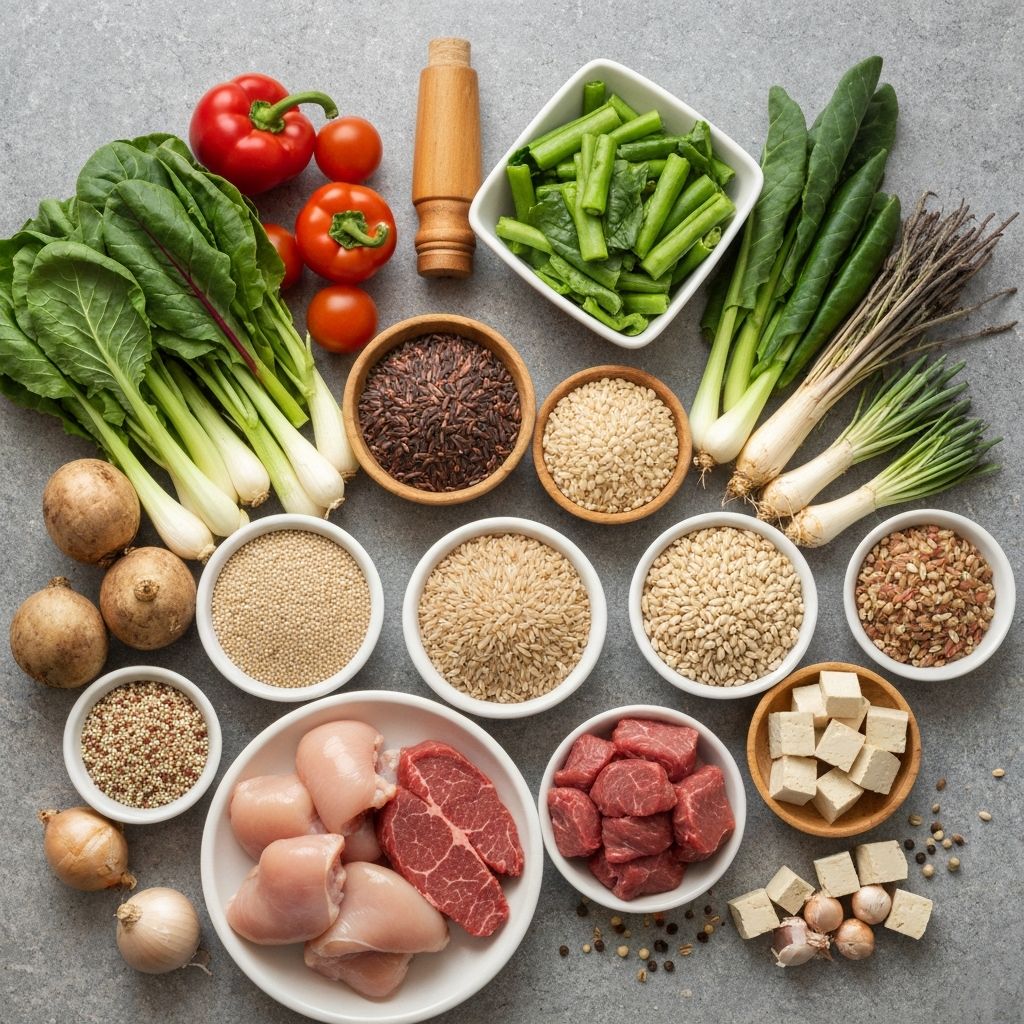
Introduction to Ingredient Versatility
In nutritional education, the concept of ingredient versatility refers to the ability of certain food items to be used in multiple meal contexts. This article explores educational concepts related to food combinations and ingredient utilization from an informational perspective.
The content describes general principles about how ingredients can be combined and utilized without prescribing specific recipes or meal plans. These descriptions serve an educational function in understanding food preparation concepts.
Understanding Food Categories
Nutritional education commonly organizes foods into broad categories based on their primary nutritional characteristics. These categories serve as a framework for understanding meal composition and ingredient combinations.
Common educational categories include vegetables, fruits, proteins, grains, and dairy products. Within each category, individual food items offer different flavors, textures, and nutritional profiles. Understanding these categories provides context for discussing ingredient combinations.
Category Characteristics
Each food category encompasses items with varying characteristics:
- Vegetables include leafy greens, root vegetables, cruciferous vegetables, and numerous other varieties
- Proteins encompass animal-based sources, legumes, nuts, seeds, and other protein-rich foods
- Grains include whole grains, refined grains, and various grain-based products
- Fruits range from citrus varieties to berries, stone fruits, and tropical options
These descriptions provide educational context about food diversity without suggesting that particular items within categories are superior to others.
Combination Principles in Nutritional Education
Nutritional education often discusses principles related to combining foods from different categories. These principles describe common approaches to meal composition rather than prescribing specific combinations.
A typical educational framework might describe meals as combinations of a protein source, vegetable components, and a grain or starch element. This framework illustrates one approach to thinking about meal structure without claiming it as the only valid approach.
Complementary Flavor Concepts
In culinary education contexts, the concept of complementary flavors describes how different taste profiles interact when foods are combined. Certain flavor combinations are commonly discussed in educational materials.
Examples include the combination of acidic and sweet elements, the pairing of rich proteins with fresh vegetables, or the use of herbs and spices to enhance basic ingredients. These examples illustrate flavor combination concepts without prescribing specific recipes.
Ingredient Utilization Strategies
The concept of ingredient utilization refers to ways that single ingredients can be employed across multiple meal occasions. This concept appears in educational contexts as a practical consideration in meal preparation.
For instance, prepared grains might be used in different contexts throughout a week, combined with varying vegetables, proteins, and seasonings. Similarly, washed and cut vegetables can be utilized in salads, cooked dishes, or as simple sides.
These descriptions illustrate the versatility concept without suggesting that particular utilization strategies are optimal or necessary.
Multi-Purpose Ingredients
Certain ingredients are frequently described in educational contexts as particularly versatile. These items can be prepared in various ways and combined with numerous other ingredients.
Examples commonly mentioned in nutritional education include:
- Eggs, which can be prepared through various cooking methods and combined with many ingredients
- Legumes, which serve in salads, soups, sides, or as protein components
- Leafy greens, usable raw in salads or cooked in various preparations
- Basic whole grains, combinable with diverse flavors and food items
These examples demonstrate the versatility concept in educational contexts. They are not presented as required ingredients but as illustrations of how certain foods function in multiple meal contexts.
Preparation Method Variety
The same ingredients can be prepared using different cooking methods, resulting in varied textures and flavors. This concept is relevant to understanding ingredient versatility in meal preparation contexts.
Educational materials describe various cooking methods including roasting, steaming, sautéing, raw preparation, and numerous other techniques. Each method produces different results from the same base ingredients.
Method Selection Factors
Different cooking methods suit different situations based on various factors:
- Available time for preparation
- Desired texture and flavor outcomes
- Available cooking equipment
- Quantity of food being prepared
- Personal cooking skills and preferences
These factors interact differently in different situations. Educational content describes these considerations to provide context about how cooking method decisions relate to meal preparation.
Seasonal and Available Ingredients
In nutritional and culinary education, the concept of ingredient availability acknowledges that different foods are accessible at different times and in different locations. This reality influences how people approach ingredient selection and meal planning.
Some people organize their ingredient choices around seasonal availability, while others prioritize convenience or familiarity. These different approaches reflect the variety of ways individuals make food selection decisions.
Adaptation to Availability
The concept of ingredient substitution describes using alternative items when preferred options are unavailable. This flexibility is often discussed in educational contexts as a practical consideration.
For example, if particular vegetables are unavailable, similar items from the same category might be used instead. Different grains can often serve similar functions in meal structures. Different protein sources can be selected based on availability and preference.
These descriptions illustrate adaptability concepts without prescribing specific substitution patterns.
Storage and Preservation Considerations
Understanding how different ingredients can be stored influences their practical utility in meal planning contexts. This topic appears in educational materials as relevant information for ingredient management.
Some ingredients maintain quality for extended periods, while others require prompt use. Some foods can be frozen effectively, while others do not freeze well. These characteristics affect how ingredients function in meal planning scenarios.
Storage Duration Concepts
Educational materials often categorize ingredients by typical storage characteristics:
- Stable pantry items with extended shelf life
- Fresh produce with shorter optimal use periods
- Prepared foods requiring refrigeration and prompt consumption
- Frozen items offering extended storage options
Understanding these categories provides context for how storage considerations relate to ingredient utilization strategies. These descriptions serve an educational function without prescribing specific storage practices.
Practical Examples for Educational Understanding
To illustrate ingredient combination and versatility concepts, educational materials often provide examples. These examples demonstrate how the concepts function in practical contexts.
An example might describe using a batch of cooked chicken in salads, grain bowls, and simple sandwiches throughout a week. Another example might illustrate using prepared quinoa in different combinations with roasted vegetables, fresh salads, and simple breakfast preparations.
These examples serve to clarify the concepts being discussed. They are not presented as instructions or optimal approaches but as illustrations of how ingredient versatility concepts work in practice.
Individual Preferences and Constraints
An important principle in nutritional education is acknowledging that ingredient combinations and utilization strategies vary significantly based on individual factors. Personal taste preferences, dietary considerations, cultural food traditions, and practical constraints all influence how people approach food combinations.
Educational content describes these various factors to provide context about the diversity of approaches to ingredient utilization. No single approach to combining or utilizing ingredients suits all individuals or situations.
Educational Context and Limitations
This article presents educational information about ingredient combination concepts and food versatility principles. It describes general approaches in an informational context without providing individual advice, specific recipes, or prescriptive recommendations.
Ingredient selection and combination approaches vary significantly based on individual preferences, dietary needs, cultural traditions, and practical circumstances. The concepts described here should be understood as educational explanations rather than instructions for specific actions.
Individuals seeking personalized guidance about nutrition and meal planning should consult with qualified healthcare or nutrition professionals who can evaluate their specific situations and provide individualized recommendations.
The examples in this article are simplified for educational clarity. Real-world ingredient selection involves numerous personal and practical factors that cannot be addressed through general informational content.