Educational Guide to Healthy Eating Routines

Explore principles of nutrition organization for busy lifestyles

Learn more

Introduction to Busy Lifestyle Nutrition

Modern daily routines often present challenges in organizing consistent eating patterns. This educational resource explores general concepts related to nutrition planning for individuals with demanding schedules.

The information presented here describes various approaches to structuring daily food intake without prescribing specific actions or dietary regimens. Different people adopt different strategies based on their individual circumstances and preferences.

Understanding these concepts can provide context about how meal timing, food combinations, and preparation methods fit into different lifestyle patterns.
Organized healthy meal components

Principles for Simple and Balanced Meal Planning

Balanced meal composition illustration

Understanding Meal Structure

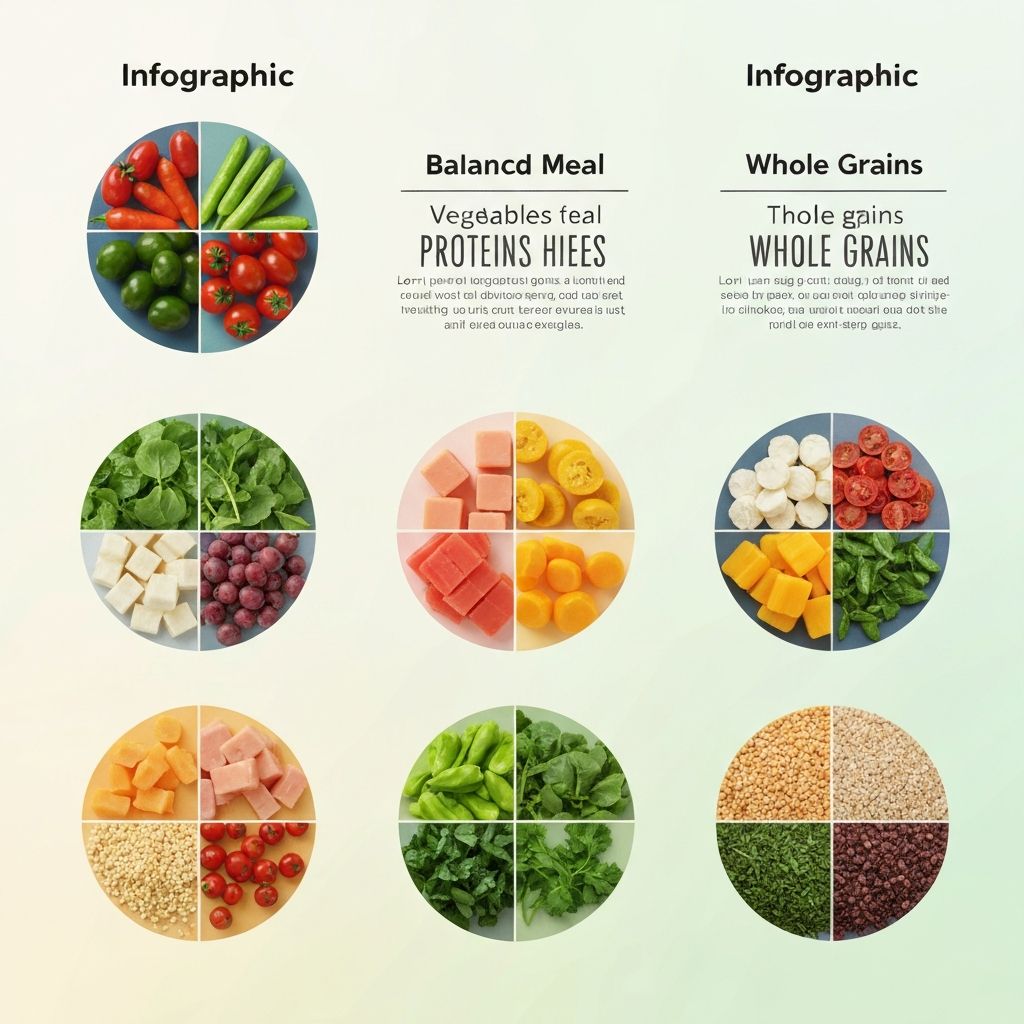
Nutritional education often describes meals as combinations of different food groups. Vegetables, proteins, whole grains, and fruits each contribute different nutritional components to daily intake.

The concept of balance in meal planning refers to including variety across these categories over time. This approach is discussed in nutritional education as a framework for understanding food diversity.

Some people find it helpful to think about meal composition in terms of color variety, texture combinations, and preparation simplicity when organizing their eating routines.

Time-Saving Strategies for Meal Prep

Batch Preparation Concepts

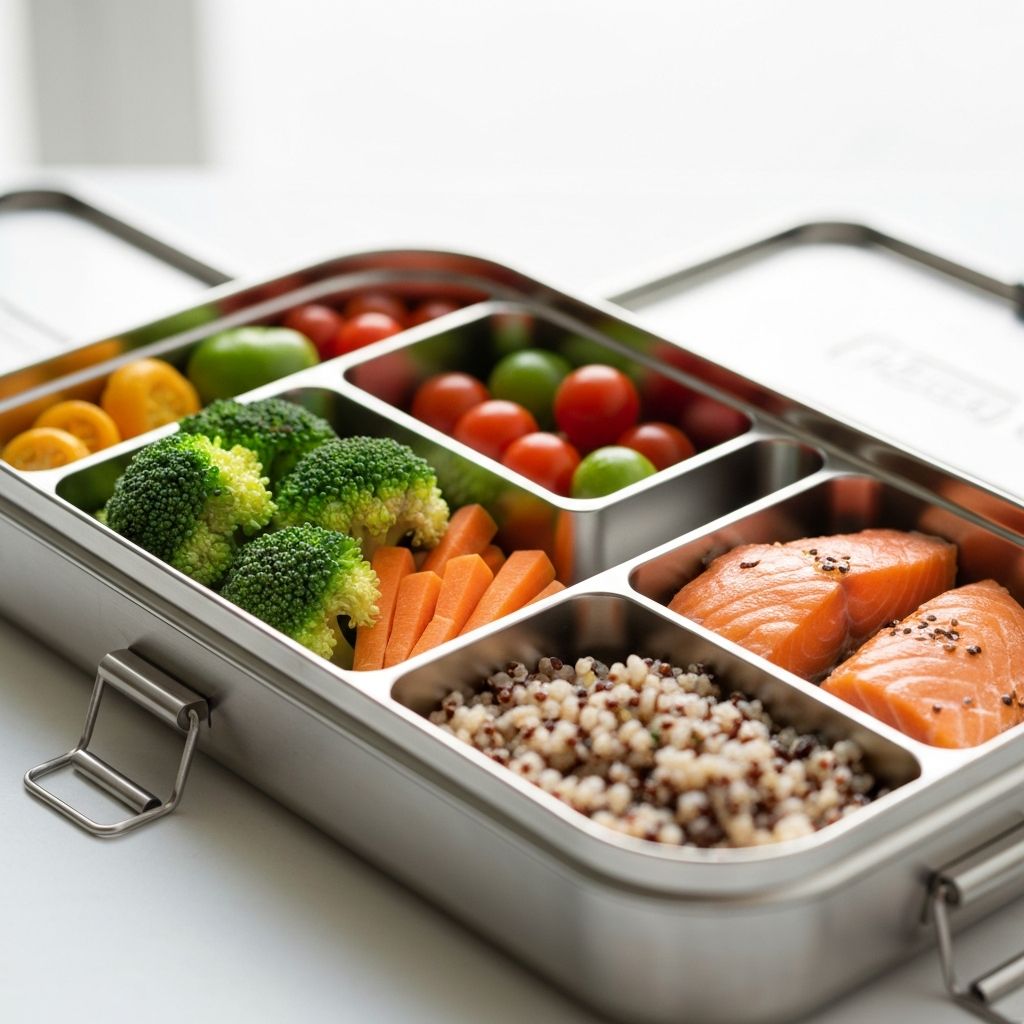
Batch preparation refers to the practice of preparing multiple meal components at once. This approach is commonly discussed in nutritional education as a time management strategy.

Examples include washing and cutting vegetables in advance, cooking grains in larger quantities, or preparing protein sources that can be portioned throughout the week.

Simplified Cooking Methods

Various cooking techniques require different amounts of time and attention. Steaming, roasting, and simple sautéing are often mentioned in educational contexts as straightforward preparation methods.

The selection of cooking methods varies based on individual preferences, available equipment, and time constraints in different household situations.

Examples of Quick Balanced Meals

Meal Combination Examples

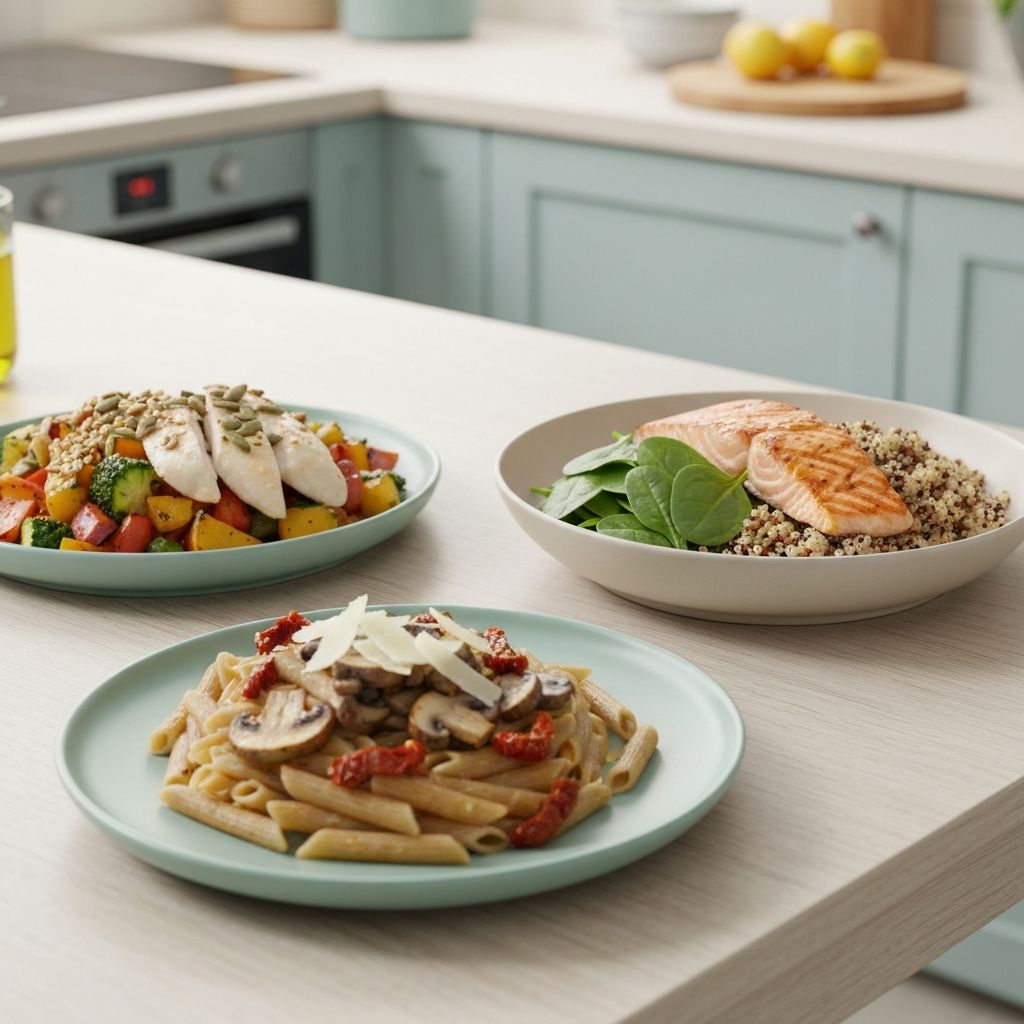
Educational materials often provide examples of meal combinations to illustrate nutritional concepts. These examples describe how different food items can be assembled into complete meals.

A typical example might include a grain base with added vegetables and a protein source, combined with simple seasonings. Another common pattern involves salad greens with various toppings and dressings.

These examples serve an educational purpose and do not constitute recommendations for specific individuals or situations.

Examples of balanced meal combinations

Related Educational Content

Planning Meals for Busy Schedules

Explore concepts related to organizing meal timing around demanding daily routines.

Read in detail

Combining Ingredients Efficiently

Learn about food combination principles and ingredient versatility in meal preparation.

Read in detail

Balanced Nutrition on the Go

Understand concepts of maintaining nutritional variety while managing active lifestyles.

Read in detail

Frequently Asked Questions

What is the purpose of this website?

This website provides educational information about nutrition concepts and meal organization strategies. It describes general principles without offering individual advice or recommendations.

Is this information applicable to everyone?

The content presents general educational concepts. Individual nutritional needs vary significantly based on numerous personal factors. This information does not replace personalized guidance from qualified professionals.

Does this site provide meal plans or dietary programs?

No. This site explains concepts and describes approaches in an educational context. It does not provide specific meal plans, dietary programs, or individual recommendations.

How should I use this information?

This information is intended for educational purposes to understand general nutrition concepts. Any application of these concepts to individual situations should be made with appropriate consideration of personal circumstances.

Educational Information Notice

All content on this website is provided for educational and informational purposes only. It does not constitute individual nutritional advice, dietary recommendations, or healthcare guidance.

Nutritional needs are highly individual and depend on numerous personal factors. The information presented here describes general concepts and should not be interpreted as instructions for specific actions.

Individuals seeking personalized nutrition guidance should consult with qualified healthcare or nutrition professionals who can assess their specific circumstances.

Different approaches to nutrition exist, and this website does not endorse or promote any particular method over others. The content reflects general educational principles from publicly available nutritional education resources.

Educational content only. No medical services. No promises of outcomes.

Explore further